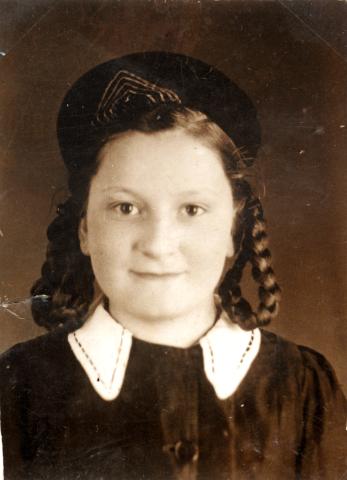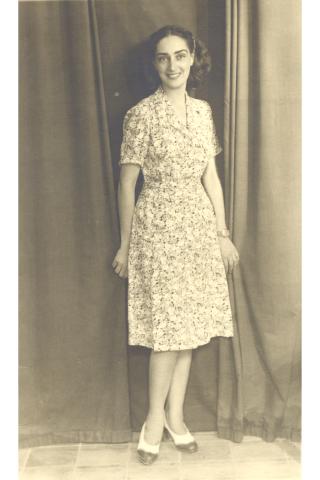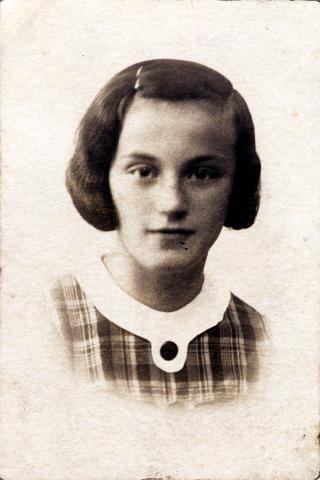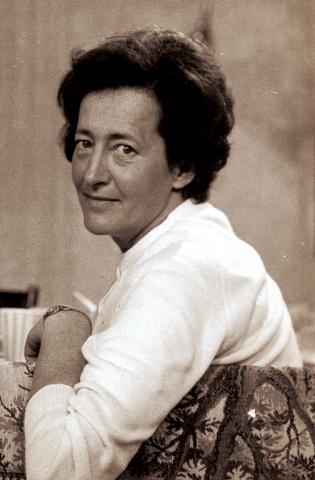
Rifka Vostrel
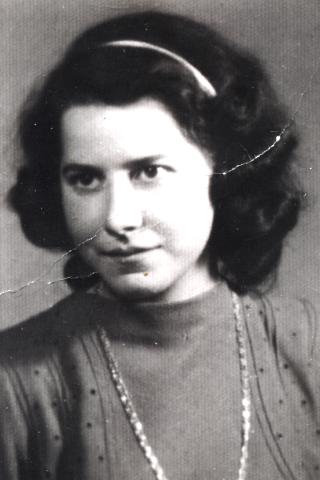
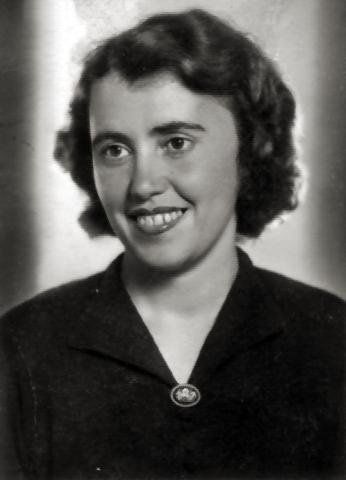
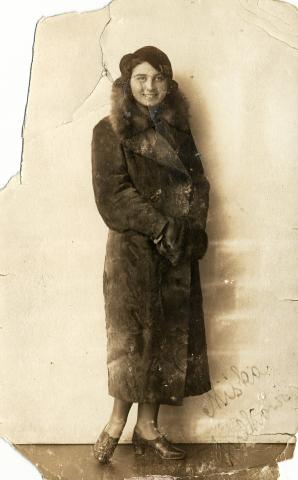
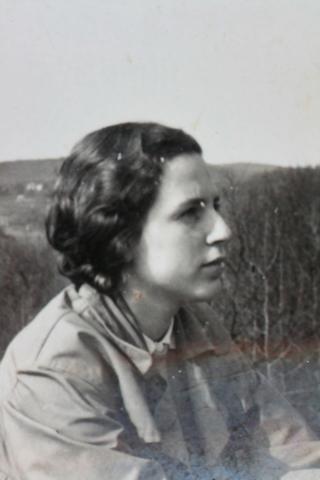
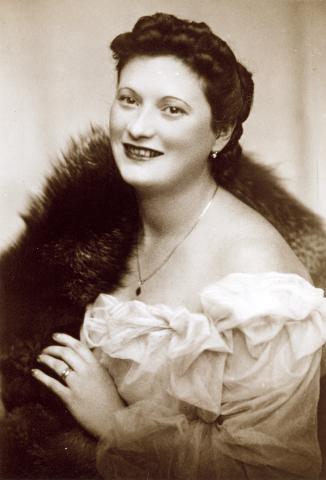
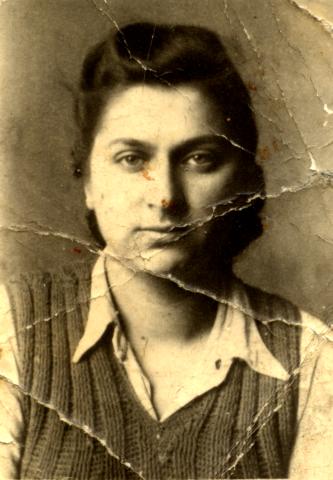
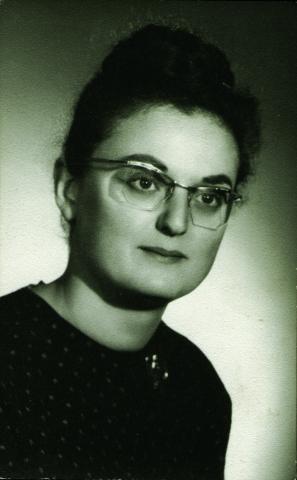
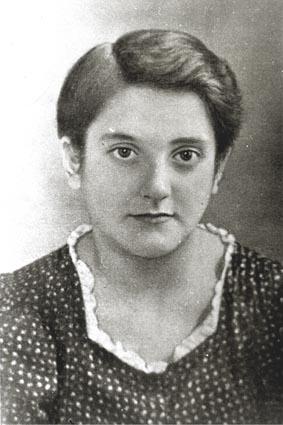
Rifka Vostrel was born in 1929 in Sarajevo, Bosnia and Herzegovina. Rifka's family history is deeply rooted in Sarajevo.
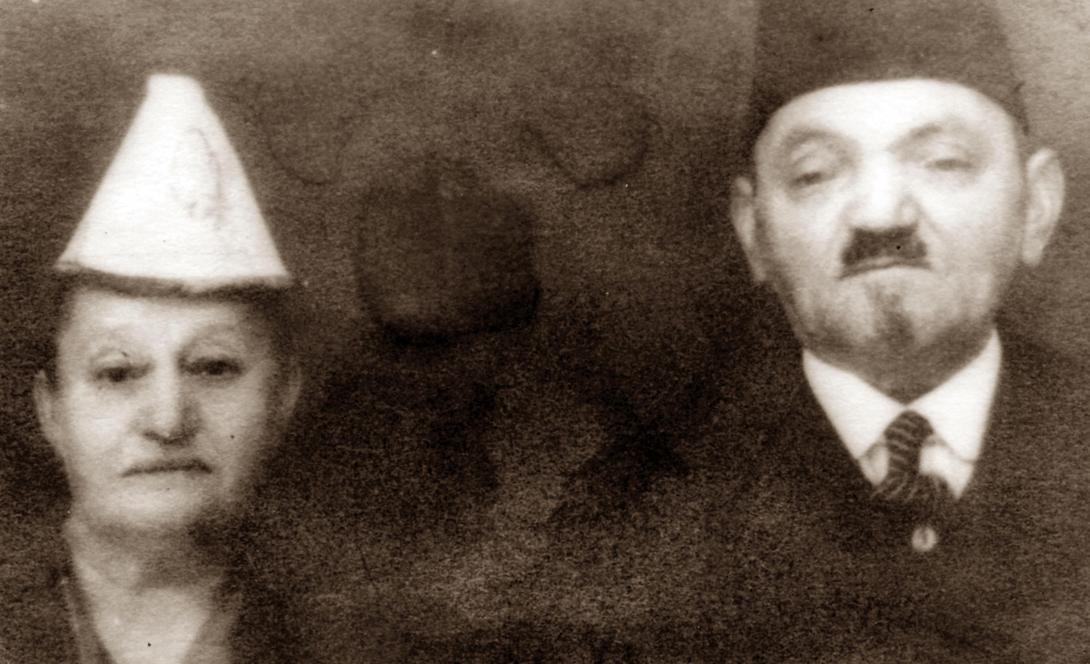
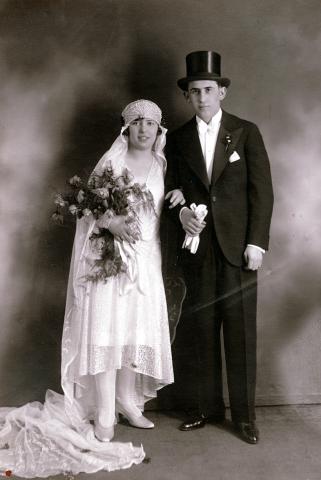
Avram and Belja Altarac
Family Roots
"My grandfather was one of those craftsmen and sold all kinds of products made of sheet metal in his shop. It was my grandfather who passed on the trade to his family. On my father's side everybody was a craftsman. They were plumbers, traders or innkeepers, and my father was a barber. The women in the family were mostly housewives."
"Jews in Sarajevo were mostly known as tradesmen and craftsmen. There were no Jewish quarters, but there was a Jewish school called Maldar. Life in Sarajevo was very active and the relations between people were very good. National minorities were friends and socialized, but marriages between them were very rare and mostly not approved by the families."
Childhood Amidst Jewish Customs
"My paternal grandparents were religious. They kept the Jewish traditions. They celebrated every holiday, and that's how my father learnt how to pray and read in Hebrew. Grandfather often attended services. They observed Sabbath and the kashrut as best they could."
"We visited them very often, especially during the holidays. I'll never forget when my grandfather recited the Kiddush."
"There were no mixed marriages in the family for a long time. It couldn't have happened that someone of their family was married to a non-Jew at the time. Later, it did happen. My father's cousin, Erna Altarac, was the first one to marry a non-Jew. He was a Russian emigrant and the family wasn't very happy about it."
"Our mother raised us in a traditional way. We observed the holidays, but not in a religious way. Every holiday was celebrated: For Pesach we had the seder and ate all the traditional food. There was always fish on Friday evenings."
"My parents didn't demand of us to go to the synagogue or to pray; maybe that's a pity because therefore we don't know much about the traditions. Neither my mother nor my father influenced our opinions. They gave us the opportunity to choose and decide for ourselves how much we wanted to know about Judaism."
"At home we spoke Croatian, but sometimes, when our parents didn't want us to understand something, they spoke Ladino."
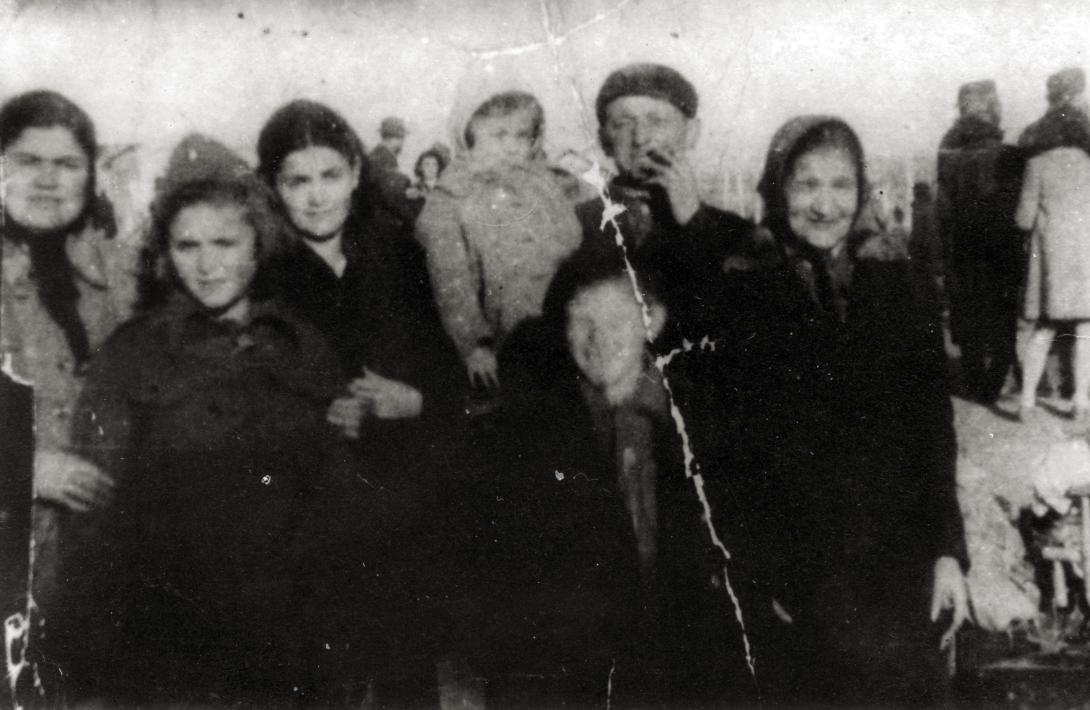
Rifka Vostrel with her family
The Onset of Persecution
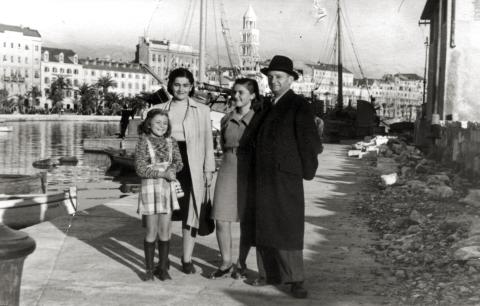
"The Jews of Split didn't have to wear a yellow star, but they were restricted in their personal lives."
"Some of the shops had a sign stating: 'E vietato gli regresso agli Ebrei' [It is forbidden for Jews to enter]. But nobody stuck to it, on the contrary, there were many good people who wanted to help us and indeed did help us. Unfortunately, I didn't go to school because it was forbidden for Jews, but I finished the 2nd grade of high school [today the 6th grade of elementary school] privately, in a school that was organized by the Jewish Community of Split."
"It was in June 1942 when a group of young fascists came to Split. At that time Split was under Italian occupation, but these were local fascists. I remember it like it happened yesterday."
"Until late into the night robbery and animal-like behavior was taking place. Everything was burnt and destroyed in front of the citizens in the center of the old city. I tried to fall asleep, but couldn’t."
"We were left without anything, but at least our lives had been spared. Next day we met at the National Square, the same place where our possessions had been burnt and destroyed the night before."
Survival Through Resistance
"In 1942 I became a member of a Zionist cell. I was very young and angry with the world and everything that was happening so I desperately wanted to do something to stop it."
"I was hoping to become one of them [partisans], but unfortunately she didn't accept me, but told me to become a member of the SKOJ [League of Socialist Youth of Yugoslavia] instead. At first I was sad, but later I found out what a great honor it was for a young girl like me to become a member of the SKOJ."
"In 1943 after the Italian capitulation, my whole family and I joined the partisans. The Jews who stayed in Split and didn't want to leave were killed by the Ustashas and the Germans. Because I was in the youth organization and doing illegal work, I knew that something would happen. In the youth organization we were very well organized."
"When I came home I said to my parents, 'I'm leaving. I'm going to join the partisans and that's it!' They didn't say a word; they were speechless."
"So I just told them, 'Get ready, we don't have much time!' They started to pack. My dear nona took some kind of a bundle and put a few of her belongings inside. My father also took some things and packed them in a makeshift suitcase."
"In Dugopolje the partisans started to form new groups, and I very much wanted to be included. In the end they didn't want children to join because we were too young, and so they sent a group of us back to Dubrava. Dubrava was a reception shelter where all the refugees were gathered and organized to be sent to different places."
"The Germans were following us so we had to leave Vis and were evacuated to Italy. All this time I had no idea where my family was."
"In Italy many people were waiting for us; actually it was a partisan refugee camp in Bari."
"When my family was finally reunited, we continued on our way to El-Shatt in Egypt. As my father had told us, El-Shatt had 27,042 refugees, out of which 0.9 percent were Jews. There were refugees from all over Croatia there. There were some from Belgrade and Sarajevo."
"All the refugees who wanted to leave Italian territory went to Egypt, America or Brazil. We didn't have enough money to leave for America so we went to Egypt instead."
"Life in the camp in El-Shatt was very well organized. Every camper had his/her own duty. I was responsible for taking care of the shelters. I was also very active in the youth organization."
"Unfortunately, many children died because they weren't used to the hot climate. We lived in a kind of commune. The sound of a bell announced breakfast, tea, lunch and supper time."
"We were never hungry there. We had so much food that sometimes we didn't even go to eat with everybody but stayed in our tent and my mother prepared the meals for us. We received clothes from the Red Cross, but skilful hands made dresses and skirts from nightdresses."
"In El-Shatt I finished my 3rd grade of high school. Every Sabbath my father held a service in one part of our tent. We celebrated every holiday there. That's how we lived in El-Shatt for 14 months."
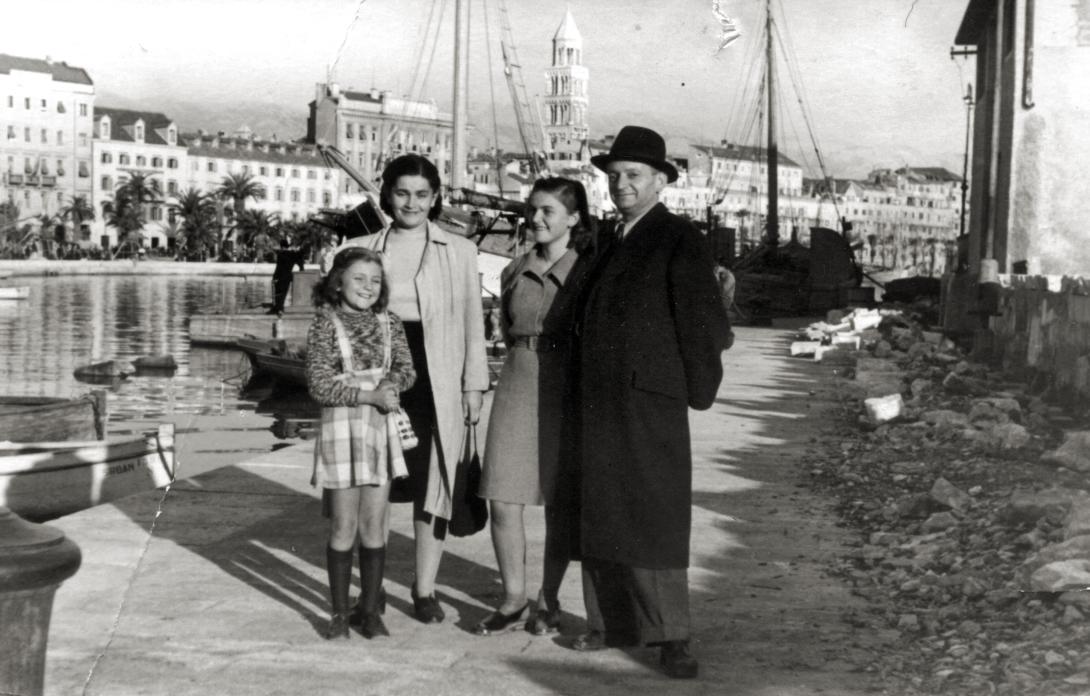
Rifka Vostrel and her family in Split
Life Beyond the War
"Jewish life after the war was very active. It's not true that communism forbade us to attend services or celebrate holidays. Many people came to the community to socialize."
"I got married to Eduard Vostrel in the late 1940s. I don't want to talk about my husband's life before our wedding. He isn't Jewish. He worked in politics and in diplomatic services, and because of that we lived in many places in the world: in Chicago, USA, where he was a consul for four years, in Stockholm and in Goteborg, Sweden, for another four years each."
"We have two sons: Rajko and Emil."
"Jewish religion and religions in general don't have an impact on our daily lives. My sister and I are both atheists. We are aware of our roots and are very proud of them, but don't practice religion. Our children and grandchildren know that they have Jewish mothers and grandmothers, but how they live is their own choice. We told them the truth about their origin and they can do with that whatever they want to!"