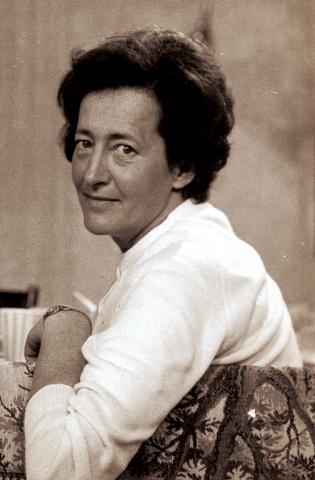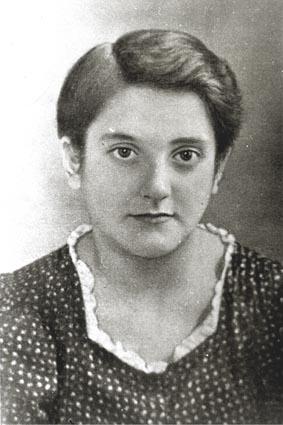
Maria (Masha) Rolnikaite
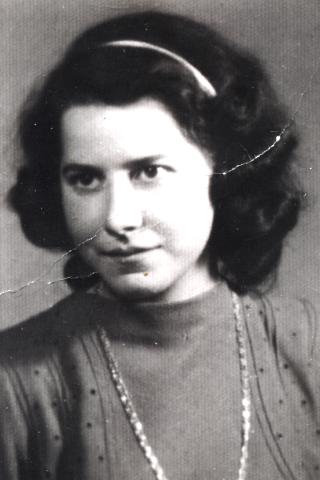
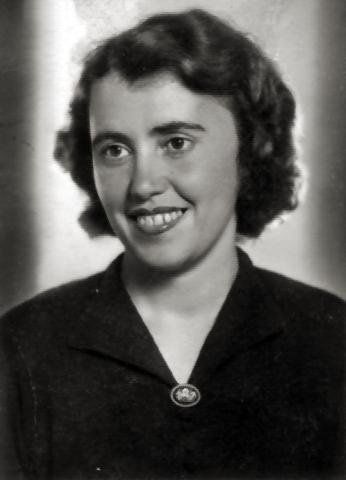
Masha Rolnikaite was born in 1927 into a Jewish family in Plungė, in northern Lithuania. Her native language was Yiddish, although she also learned Lithuanian at school.
Masha Rolnikayte (1927 – 2016)
„I haven't forgotten. I remember everything. I remember every single deportation to the firing squad. And I really want everyone to know about it.“
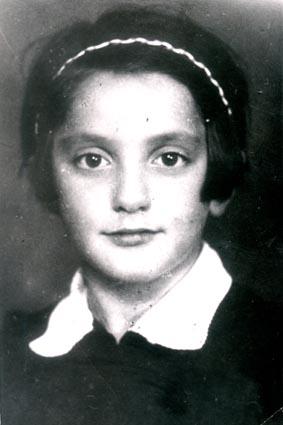
Masha Rolnikayte
Family and childhood
Masha Rolnikayte was born in 1927, in Klaipeda, in Jewish family. When Masha she was a little, her parents moved to Plungė (the North of Lithuania). The family was quite wealthy because they had a maid at home. The father Hirsh Rolnik was a lawyer and mother Teibe was a housewife. Rolnik family consisted of father, mother and 3 kids: Masha (1927), Miriam (1924), Rivel (1934) and Raja (1936). Masha and her older sister Miriam studied at Lithuanian school in Plunge. Masha quite early realized she had a talent for literature and languages. Lithuanian was not a native language, because mother language was Yiddish. As Masha told: “When I was nine, I decided to write a novel and bought a thick notebook. I titled the novel “Destiny” and wrote the title on the cover.(…) But I’ve always wanted to write.”
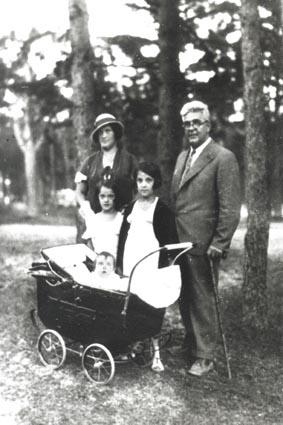
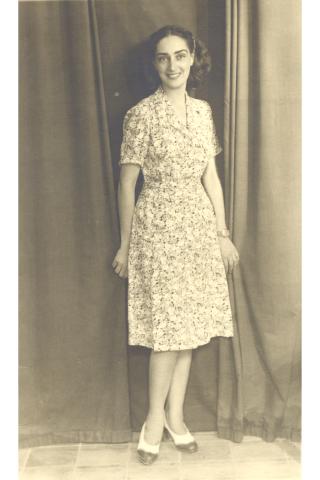
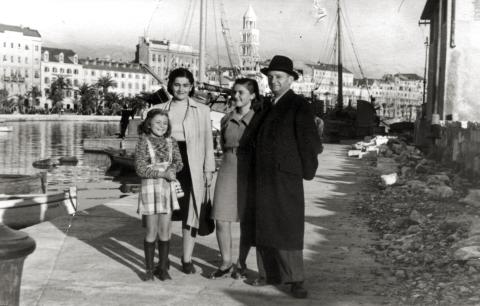
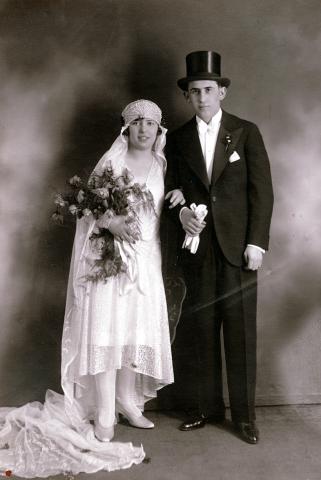
Mashas family
As about identity as a Jew: “However, at school I identified as Jewish. For example, stress is very important in the Lithuanian language. If someone misplaces the stress in a word, it means they don’t speak Lithuanian well. Our teacher would dictate, and we had to catch the rhythm of the words by ear. I was able to write from memory. I was the only student in the class who got the best grades. And the teacher said about me, “Lithuanian isn’t her native language, but she writes better than all of you.” So, sometimes we realized that we were different.”
At home she studied French language, because her father wanted, that Masha and her sister could study in France (father’s dream about Masha studies in at the Sorbonne University).
The period of the WWII
In 1940, during the First Soviet occupation, Rolnik family moved to Vilnius.
The first day of the Nazi occupation (on 23rd of June, 1941), the family tried to escape from Vilnius (unsuccessfully, because the father got lost from the family). As Masha told: “The war began on June 22, 1941. Vilnius was bombed that same day. The Soviet army fought while retreating. The Nazis had almost taken the city. My parents knew that the Nazis hated Jews. There was another reason to worry: my father had collaborated with the Soviet authorities. My parents decided to flee to the interior of the country, where the attackers wouldn’t be able to reach us. My father went to buy tickets, while we (my mother and four children) stayed at home to wait for him.” Their father still hadn't returned home, so Masha's mother decided to take the children and leave the city, heading toward the border with Soviet Russia.
Masha wrote in her book: “We set off with everyone else. The sun is beating down mercilessly. I’m thirsty, and it’s hard to walk at all. And we haven’t even gone very far—the city is still in sight. My little brother asks to stop and rest. Mom takes his little bundle to carry, but it doesn’t help—he’s still complaining. And you can’t carry a five-year-old in your arms. And his little sister, though two years older than him, isn’t much wiser—she’s whining too. We sit down. The others, who are stronger, pass us by and move further ahead. The kids ask to go home. Mom turns back. We’re not alone. The groundskeeper tells us that Dad had come by. He said he was looking for his car.”
Masha’s mother came back to Vilnius with children, but didn’t meet with her husband. Masha wrote in her book: “It’s getting light. Tanks are rolling by. Their fronts are draped with a flag bearing the menacing fascist swastika. The entire street is flooded with the occupiers’ vehicles, motorcycles, green uniforms, and a foreign language. How strange and terrifying it is to look at them, complete strangers, taking over our Vilnius. We didn’t need to come back.”

The wall in Rudninku Street Vilna Ghetto 1942-1943
On September 6, 1941, a ghetto was established in Vilnius’s Old Town. Masha’s mother with children were imprisoned in Vilnius Ghetto. As Masha told: “We lived together with other families: 18 people in a small room. There wasn’t enough room to sleep. One girl slept on the table, another under the table. My mother started working in a sewing workshop. We were issued food ration cards, and each day we received only 125 grams of bread and a little bit of black peas. It was forbidden to bring food into the ghetto. If anyone did so, it cost them their life.”
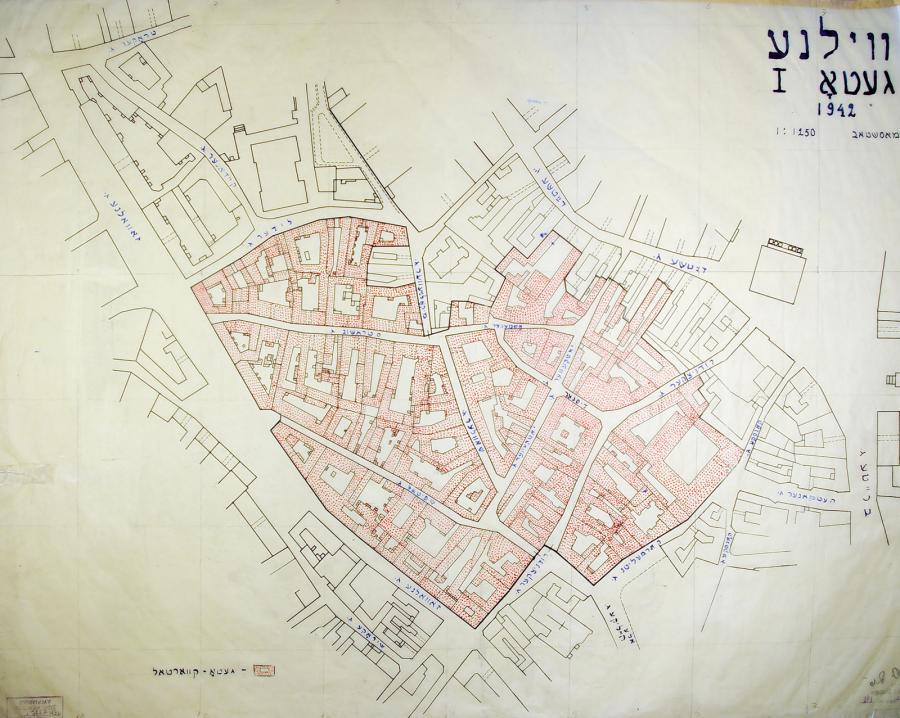
The plan of Vilna Ghetto
According to Masha: "the ghetto was a small state" (hospital, library, schools, theatre, prison were in Ghetto). Even Masha was just teenager, she was working various hard jobs outside Ghetto. Masha participated in Ghetto choir, despite fatigue, hunger, and despair. September 23, 1943, during liquidation Ghetto, Masha was separated from her family. During the selection of Ghetto prisoners, she saw the last time Mother and younger brother and sister…
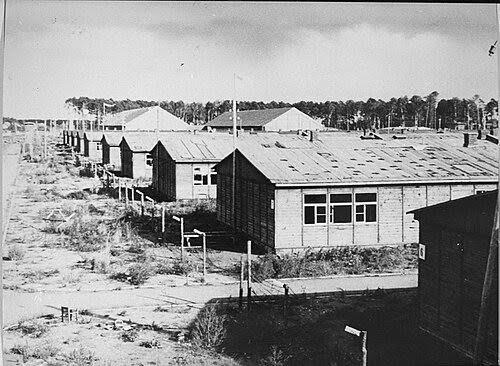
Concentration Camp Stutthof, Poland
Masha was sent to the concentration camp in Latvia, later in Stutthof concentration camp (Poland). As Masha wrote in her book: “Every day, 40 to 60 women die in the barracks. The doorways are constantly littered with frozen, blue-tinged corpses. (…) The crematorium operates around the clock, with piles of bodies stacked up outside. About a thousand people die every day in the camp.”
After the war
After the liberation of the concentration camp, Masha came back to Vilnius. Unexpectedly she met her older sister Miriam (she survived in concentration camp as well) and her father, who managed to retreat to the East (when the family was lost).
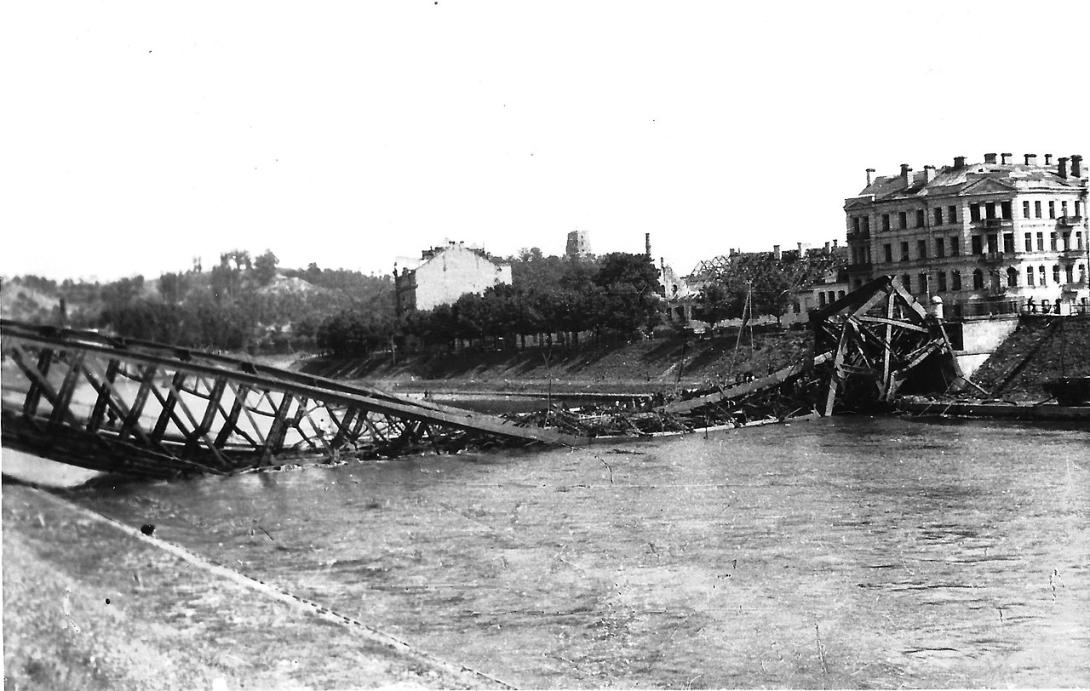
Wilno, Most Zielony
Until the end of his life, the father remained emotionally devastated by the murder of his wife and two children. He felt guilty that he had survived while part of his family had been killed.
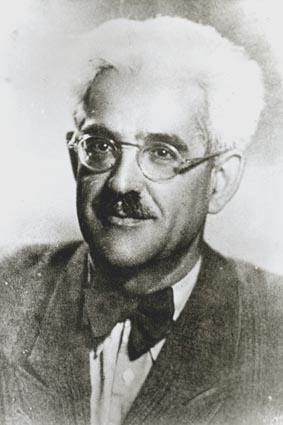
Masha's father
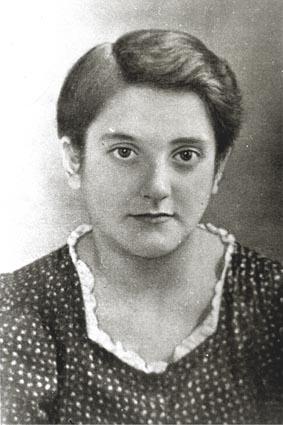
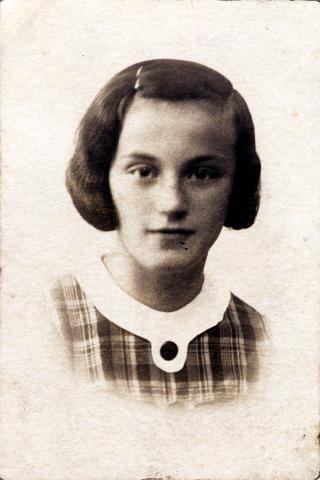
Masha Rolnikayte
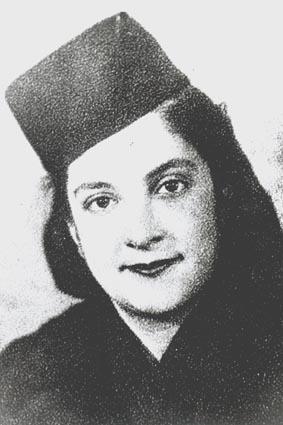
Masha's sister Miriam
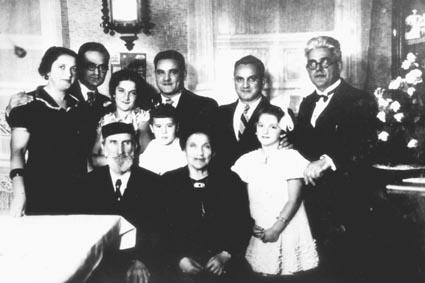
Masha's father family
As Masha told: “Before the war, our family was quite large. However, my grandfather, my grandmother’s sister, her husband, and their two daughters, as well as my father’s cousin, were killed in Plungė. My uncle (my mother’s brother) was murdered in the small town of Telšiai. My aunt, his wife, and their two daughters were killed in the Šiauliai ghetto. Dad counted 49 members of our family whom we lost during the war: his and Mom’s cousins, sisters, children... Of our family, only Dad (who was at the front), my older sister Miriam, and I survived. Miriam was in the Vilnius ghetto, but she managed to survive.”
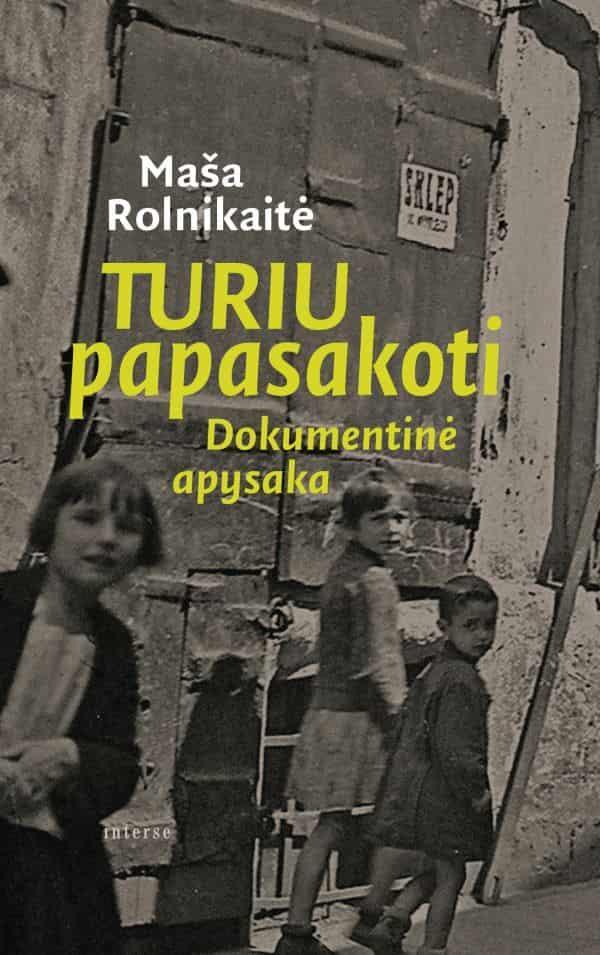
Turiu papasakoti Dokumentine apysaka
Masha finished the school in Vilnius, later – the Institute in Moscow (literary studies). Masha wrote a lot, but mostly about destiny of Jews during the Holocaust. Her father suffered from depression for the rest of his life. He couldn't accept the idea of losing his wife and children. Since 1965 Masha lived in Leningrad (now it is Saint Petersburg). She passed away in 2016. Her documentary novel “I Must Tell” (1963), which has been translated into eighteen languages.
Memorial stone (Stolpersteine) dedicated to Masha Rolnikayte is located in Plungė, 11 Laisvės al., in her hometown, where she lived in her childhood.
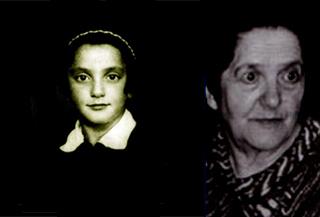
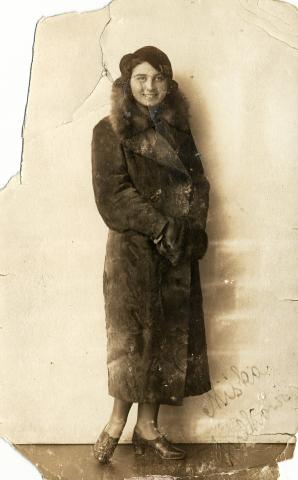
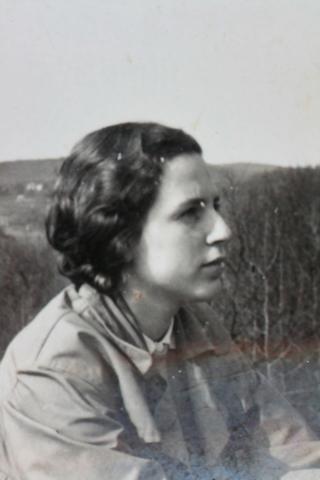
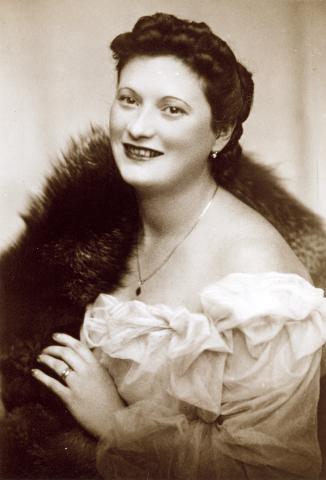
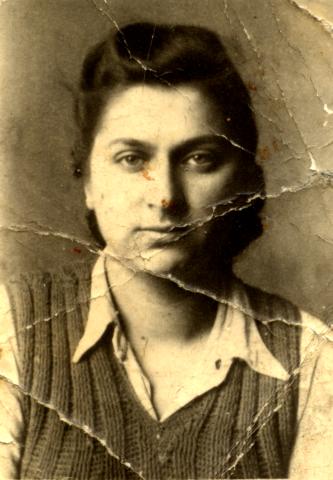
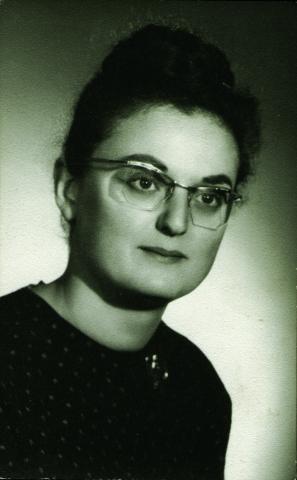
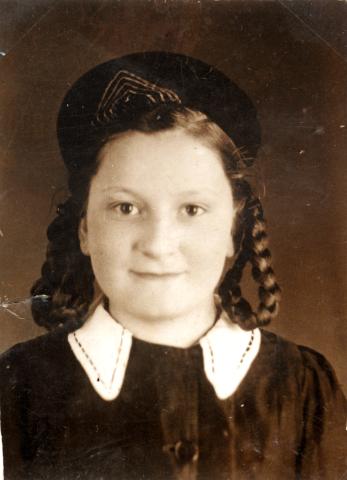
Masha younger and older