Vilnius
Latvia
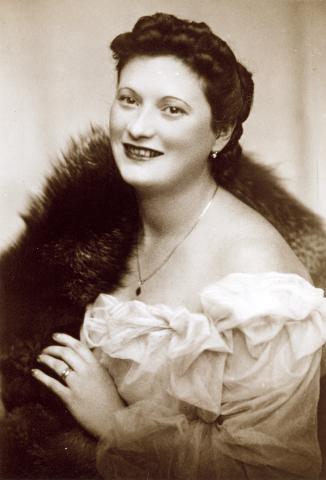
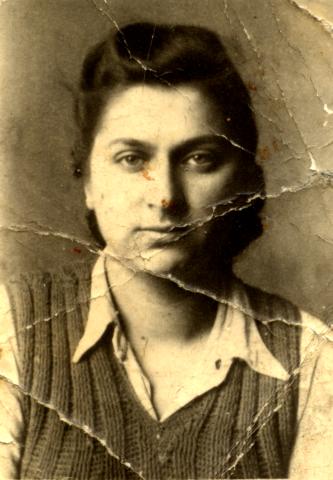
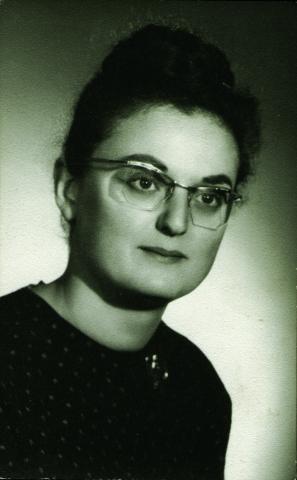
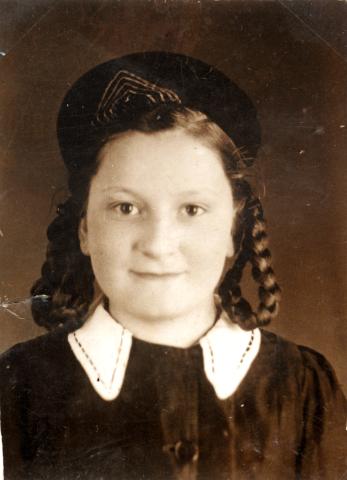
Maria (Masha) Rolnikaite
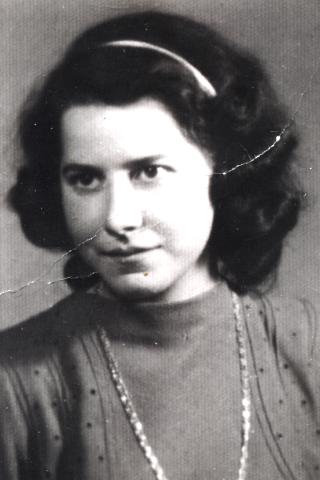
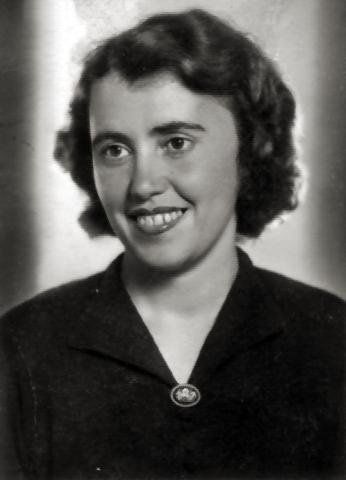
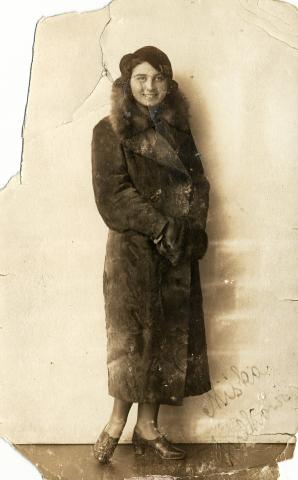
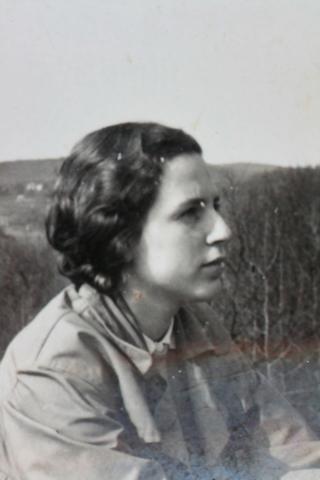
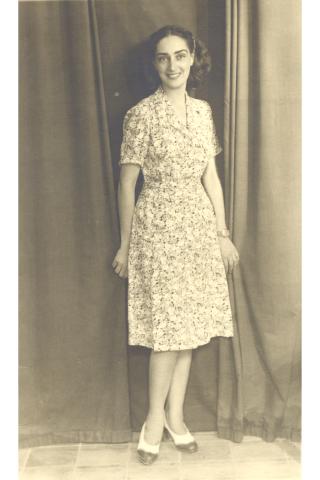
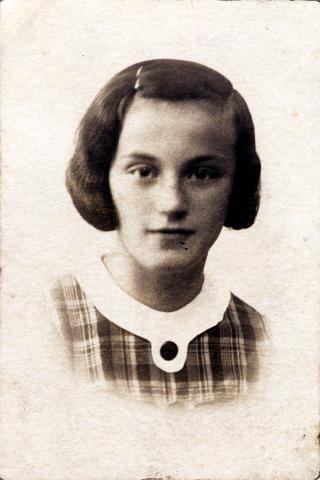
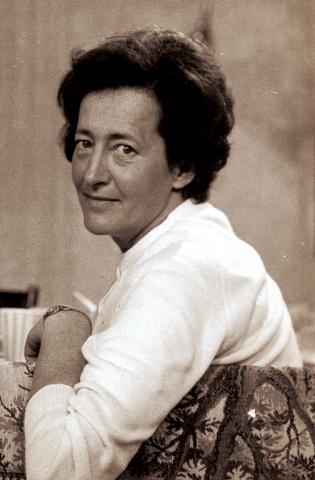
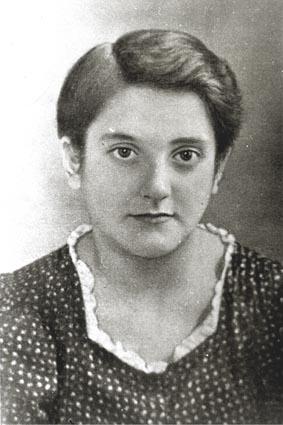
Masha Rolnikaite was born in 1927 into a Jewish family in Plungė, in northern Lithuania. Her native language was Yiddish, although she also learned Lithuanian at school.
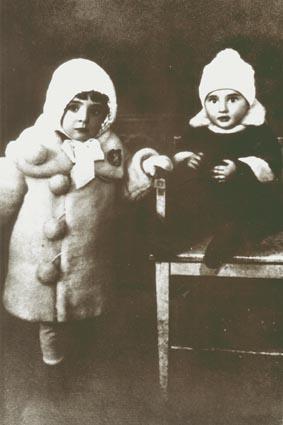
Maria Rolnikaite’s sister and brother
Masha Rolnikaite was born in 1927 into a Jewish family in Plungė, in northern Lithuania. Her native language was Yiddish, although she also learned Lithuanian at school. The Rolnik family lived comfortably; they even employed a maid at home. Masha’s father, Hirsh Rolnik, worked as a lawyer, while her mother, Teibe, was a housewife. Masha grew up with three siblings: her older sister Miriam (born 1924), her younger brother Rivel (1934), and her younger sister Raja (1936).
From an early age, Masha discovered her talent for literature and languages. At home she studied French, because her father dreamed that Masha and Miriam would someday study in France — ideally at the Sorbonne University.
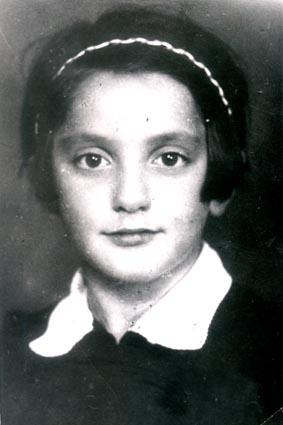
Maria Rolnikaite
In 1940, during the first Soviet occupation of Lithuania, the Rolnik family moved to Vilnius. With this, the father’s dream of his daughters studying in France collapsed. On the first day of the Nazi occupation, June 23, 1941, the family attempted to flee Vilnius, but unsuccessfully; in the chaos, the father became separated from them.
Masha’s mother and the children were imprisoned in the Vilnius Ghetto. As Masha later recalled, “the ghetto was a small state” — it had a hospital, library, schools, a theatre, even a prison. Despite being only a teenager, Masha was forced to perform various hard labor tasks outside the ghetto. She also sang in the ghetto choir.
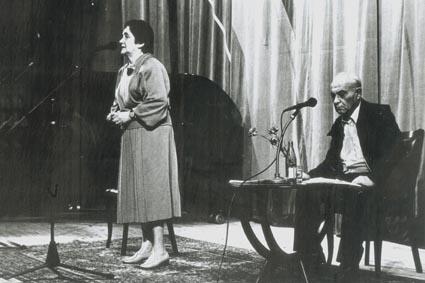
Maria Rolnikaite at the meeting of the former ghetto prisoners
On September 23, 1943, during the liquidation of the Vilnius Ghetto, Masha was separated from her family. During the selection of prisoners, she saw her mother, younger brother, and younger sister for the last time. Masha was deported to a concentration camp in Latvia and later transferred to the Stutthof concentration camp in Poland.
After the war, Masha returned to Vilnius. Unexpectedly, she found both her older sister Miriam — who had also survived concentration camps — and her father, who had managed to retreat to the East after they lost contact at the beginning of the war. Masha completed secondary school in Vilnius and later pursued literary studies at the Gorky Institute in Moscow.
Masha wrote extensively, focusing especially on the fate of Jews during the Holocaust. Her father, however, suffered from severe depression for the rest of his life and could not come to terms with the loss of his wife and children. From 1965 onward, Masha lived in Leningrad (today Saint Petersburg).
A memorial stone (Stolperstein) dedicated to Masha Rolnikaite is located in Plungė, at 11 Laisvės Avenue — the place where she lived during her childhood.
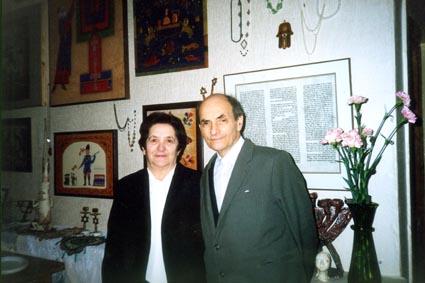
Maria Rolnikaite and her husband at the Society for Jews - War Veterans
Masha kept a diary throughout her time in the Vilnius Ghetto and the camps, which later became the basis of her well-known memoir I Must Tell You. Her writings were published under various forms of her family name (Rolnikaite, Rolnik, Rolnikas), depending on the language of publication. She remained active in associations of former prisoners and survivors, and every year she commemorated the day of her liberation.