near Frankfurt am Main
Germany
Erna Goldmann
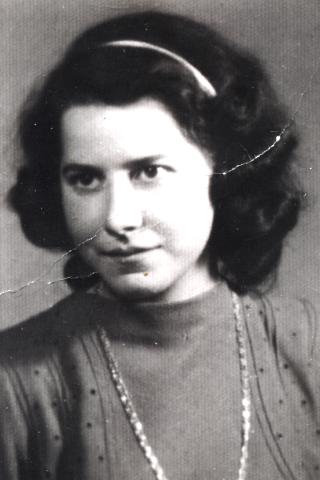
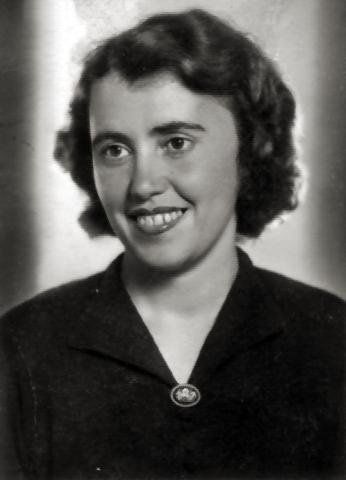
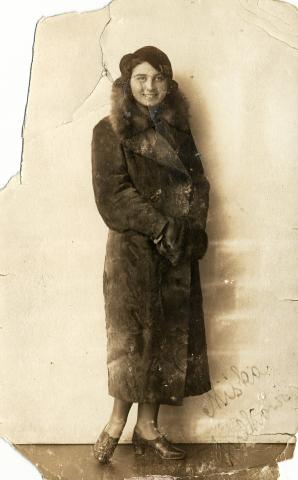
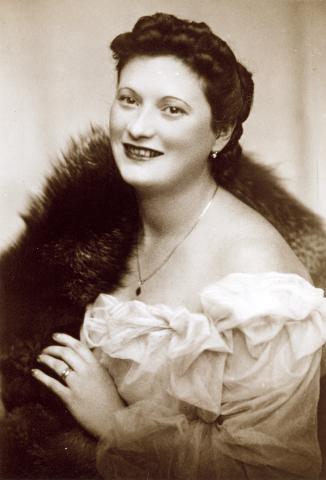
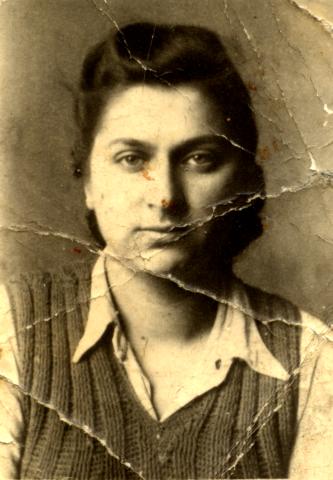
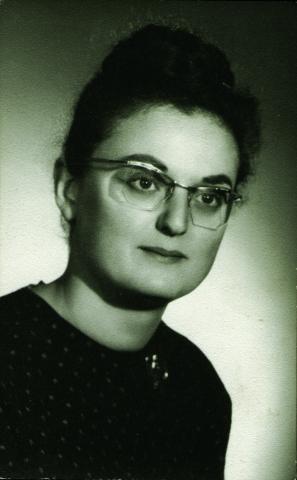
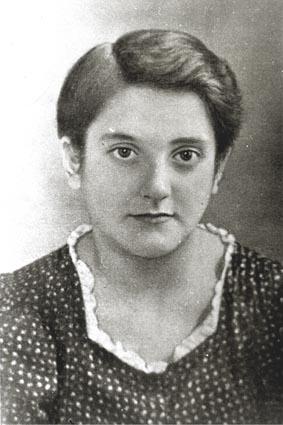
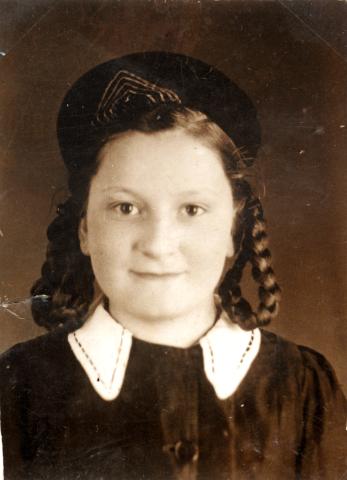
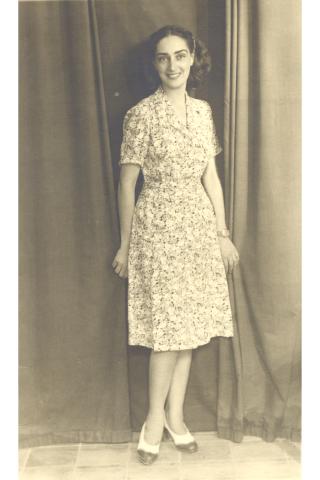
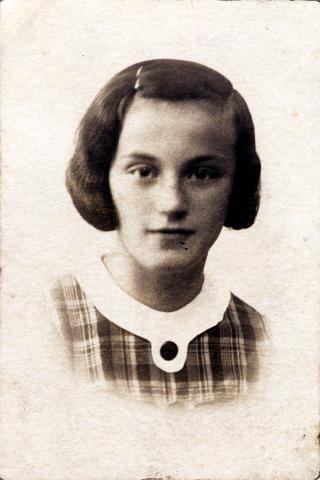
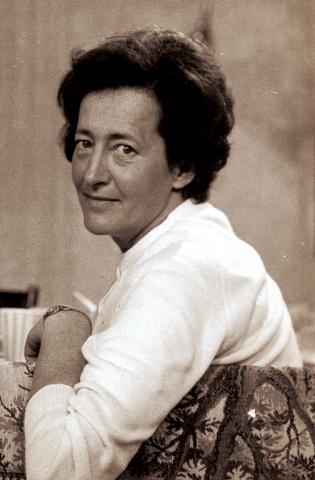
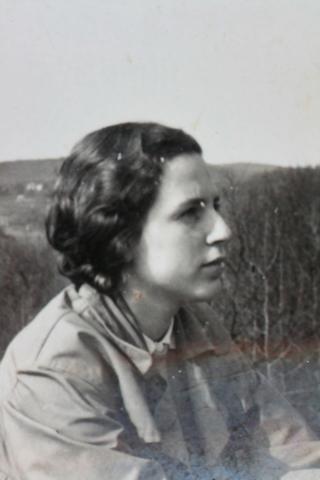
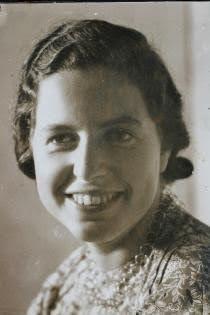
Erna Goldmann was born on December 22, 1917 in Frankfurt am Main as the youngest child of Theodor Guggenheim and his wife Rosa, née Rapp.
Make sure to view the Centropa film about Erna Goldmann
Erna Goldmann
Erna Goldmann was born on December 22, 1917, in Frankfurt am Main as the youngest child of Theodor Guggenheim and Rosa, née Rapp. She grew up with her two older brothers in a well-off Jewish household at Eschenheimer Anlage near Eschenheimer Tor. The family lived a traditional Jewish life, kept a kosher home, and observed religious holidays. Until the economic crisis of 1929, they enjoyed a comfortable lifestyle, which Erna later remembered as a secure and carefree childhood.
Erna Goldmann
She attended the Samson-Raphael-Hirsch-School, a Jewish religious school, but was particularly drawn to the Zionist youth movement “Blue and White.” There she spent much of her youth hiking, singing, and discussing the idea of a Jewish homeland in Palestine. In 1933, at the age of sixteen, she met her future husband Moshe Goldmann, who emigrated to Palestine the following year. During this time, Erna witnessed the increasing exclusion of Jews from German society, from everyday discrimination to being forced out of education.
After leaving school, she began training in a precious metal workshop and later attended the Frankfurt School of Arts and Crafts. In 1935, however, she had to leave because she was Jewish. That same year, her father died. As conditions in Germany worsened, her brother Karl urged the family to emigrate. In 1937, Erna and her mother left Germany for Palestine. In December of that year, she married Moshe in Tel Aviv.
While Erna escaped, other family members were affected by persecution. Her grandfather remained in Frankfurt and died there in 1939, and her brother Paul fled via the Netherlands to Cuba and later settled in Amsterdam.
In Palestine, Erna and her husband built a new life under modest conditions. Moshe founded a transport business and served in the British Army during World War II. Their first son, Daniel, was born in 1940, and their second son, Rafael, in 1951. Erna contributed to the family income by making and selling jewelry. Like many German-Jewish immigrants, the family maintained strong cultural ties to Germany while adapting to life in the emerging Israeli society.
In the early 1960s, the family settled in the Tel Aviv area, where Moshe’s business became more successful. Erna focused on family life and their home. However, her later years were marked by personal loss: her husband died suddenly in 1967, and her elder son was killed in a car accident in 1990.
Throughout her life, Erna remained closely connected to her German-Jewish background, and German continued to be her primary language in private. In 2003, she moved into a retirement home near Tel Aviv, where she was regularly visited by her family. Erna Goldmann died in April 2012 at the age of 94.