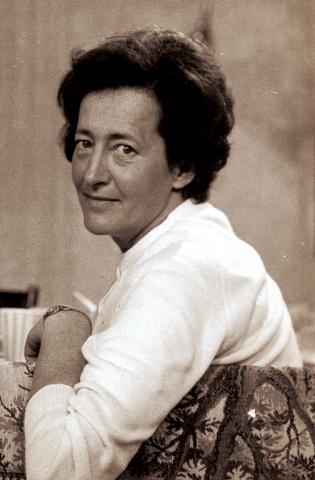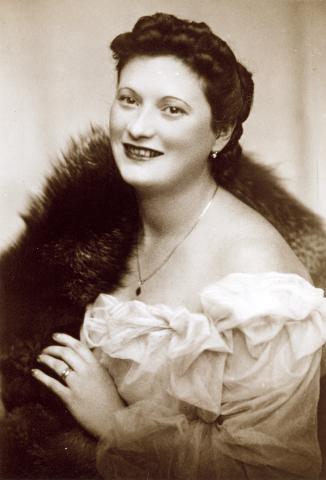
Erzsébet Bársony
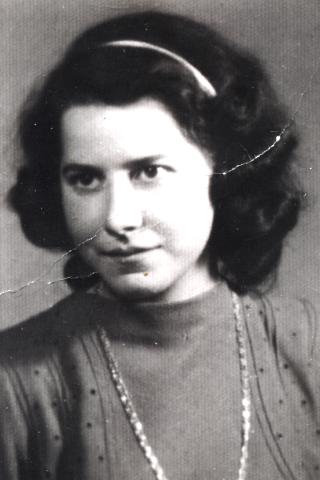
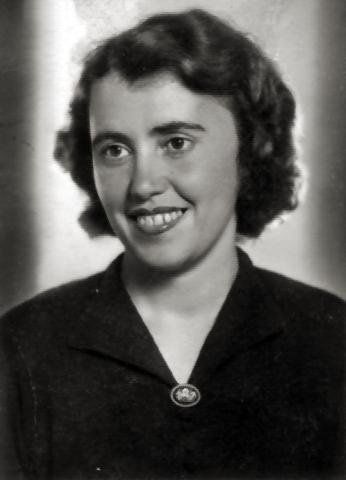
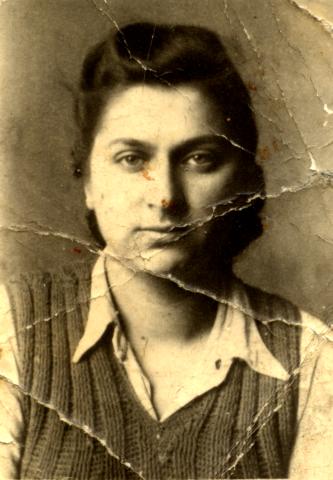
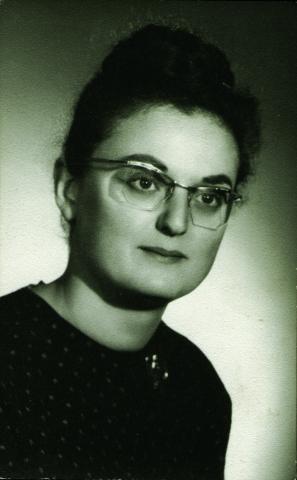
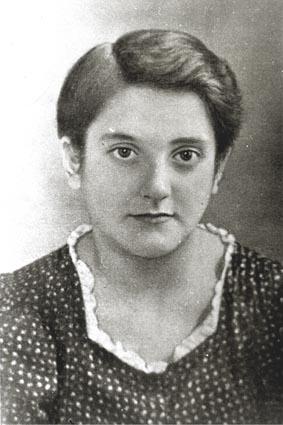
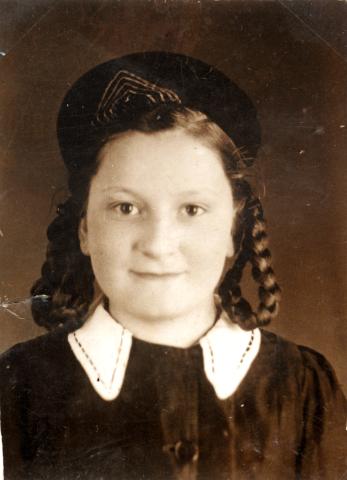
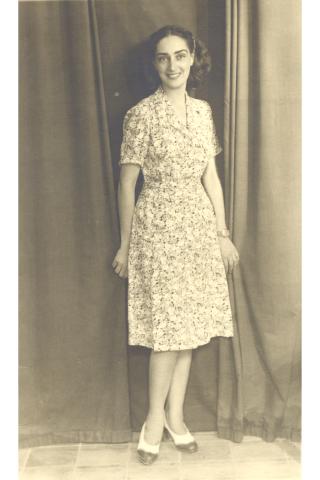
Erzsebet Barsony was born in 1909 in Budapest. Both of her parents were born in Hungary, and observed the Jewish religion, as the family had a kosher kitchen and observed Sabbath.
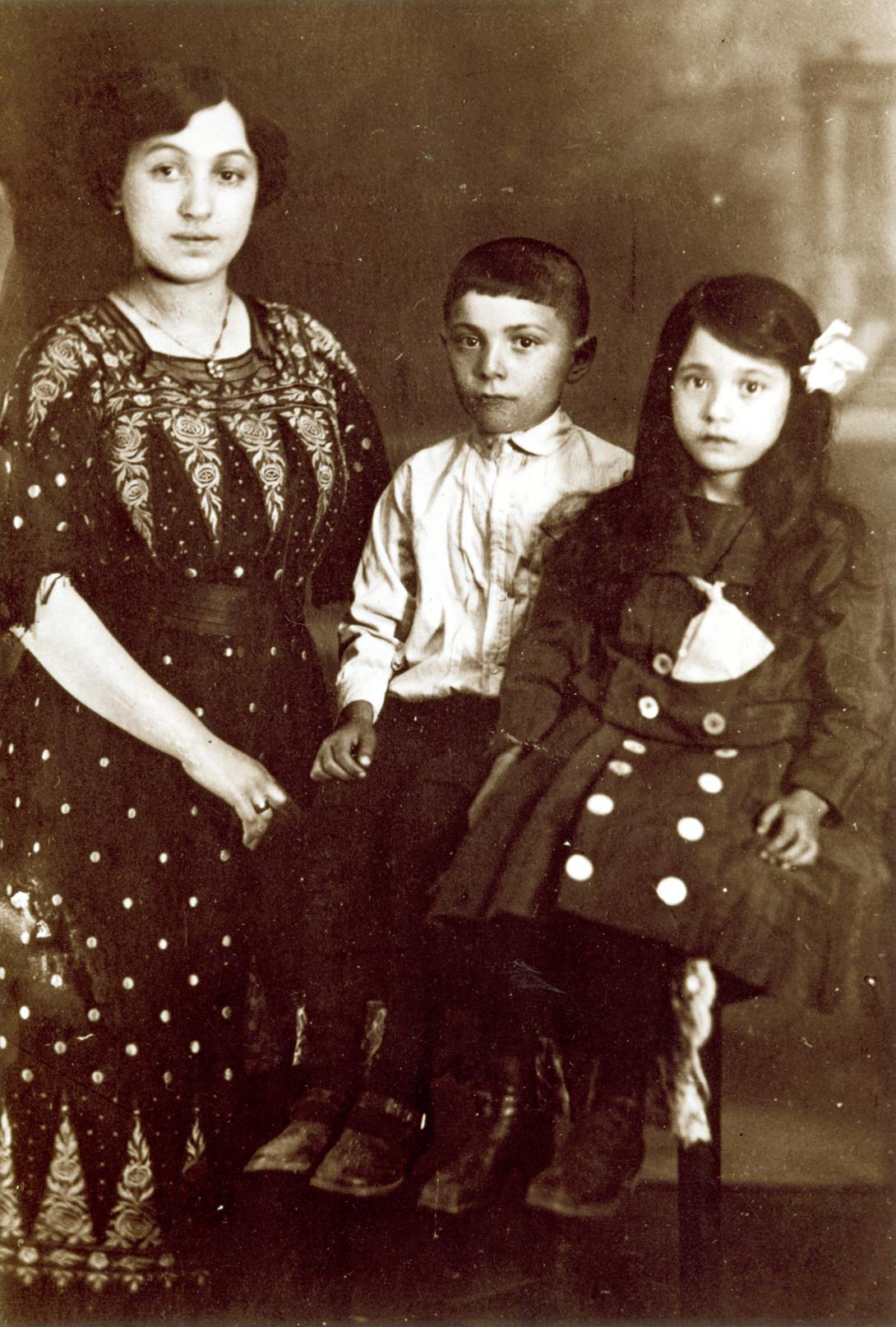
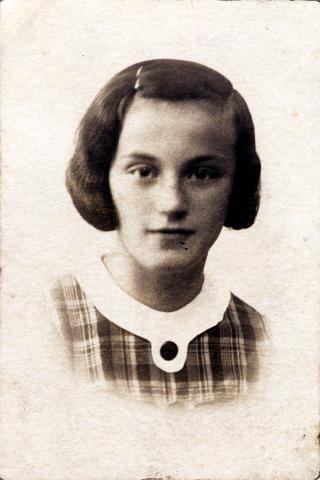
Erzsebet Barsony with her brother and stepmother
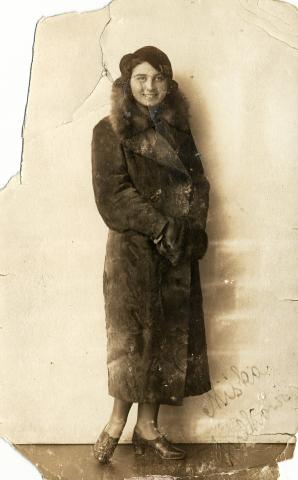
Erzsebet Barsony was born in 1909 in Budapest. Both of her parents were born in Hungary, and observed the Jewish religion, as the family had a kosher kitchen and observed Sabbath. The family lived in a neighbourhood with both Jewish and Christian families. Erzebet’s mother died in 1912 from tuberculosis, and the family became poor, and the family relied on the step-mother, who was a seamstress, when Erzsebet’s father was drafted in World War I. Her father survived the war, and Erzebet’s sister, Margit, was born in 1919, and her and Erzebet were very close. Erzebet never finished school, as she was sick from skeletal tuberculosis for six years, and was able to learn to become a milliner when she recovered at 17.
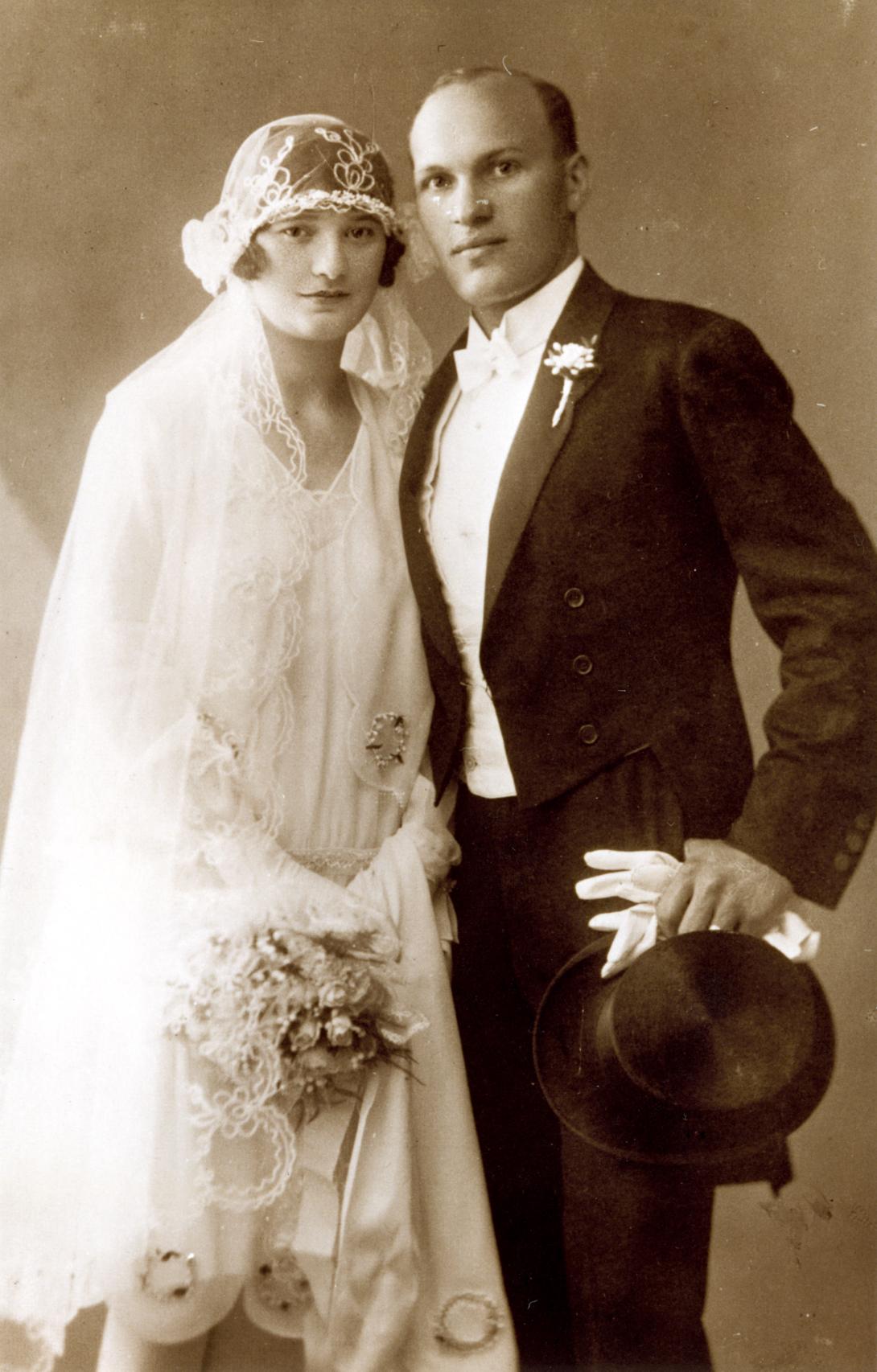
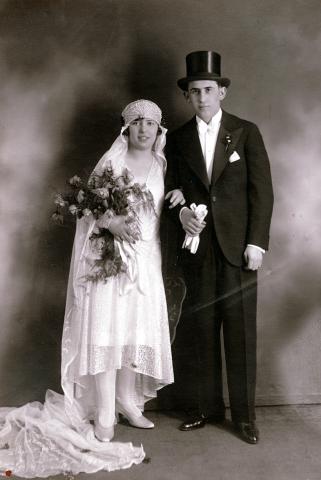
Mor Fenyes and Erzsebet Barsony's wedding picture
Erzsebet married her first husband Miki, when she was 19, in the summer of 1928. He had a textile shop, and with the support of her husband, Erzsebet opened her own milliner’s shop and it was very successful. She also gave birth to a son, Ervin, in the summer of 1929. The family and the business had no problems and was prosperous until 1939, when the anti-Jewish laws were established in Hungary. Erzsebet’s husband, Miki, was drafted into forced labour in 1940, 1941, and 1942, and the last time he left, Erzsebet never saw him again.
Erzsebet was forced to close her shop in April 1944, and her house became a yellow-star house, and she took other families in. Her family was deported on June 30th, 1944, to a transit camp. Erzsebet’s parents were initially released, since their daughter, Margit, was married to a Christian man, but only a few weeks after they were deported to Auschwitz where they were both killed. Erzsebet and her son were transported to Birkenau, where they were separated and she never saw her son again. She was transferred to the labour camp Lubberstedt, and Erzsebet was forced to work making small bombs and in the kitchen at the camp, with little clothes and food. In early April 1945, Erzsebet was forced into a death march, and was liberated by the English Army, and was placed in a seaside town in English controlled territory until there was transport to go back to Hungary. When she returned home, Erzsebet was reunited with her sister and aunts, the only members of her family who survived the war.
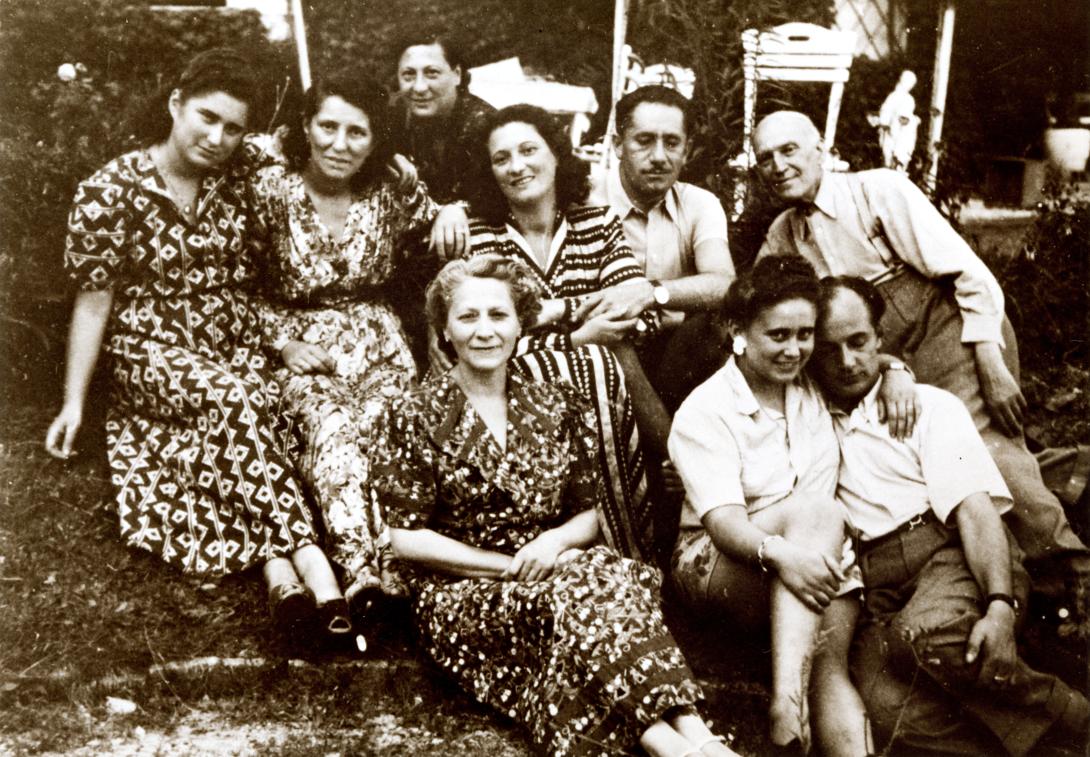
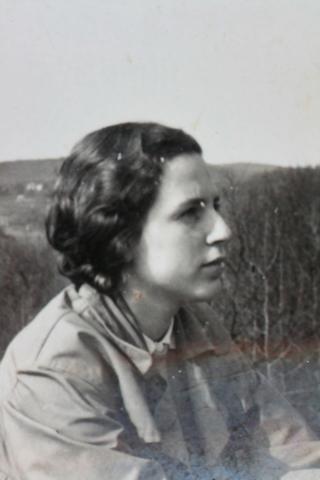
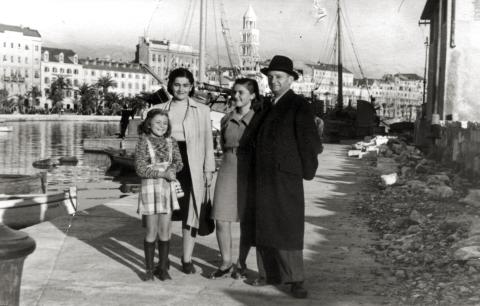
Jozsef and Erzsebet Barsony on an excursion with friends
By 1947, Erzsebet had sold her business and her house. She had also met her second husband, Jozsef, who was Jewish but had converted to evade deportation, which failed. The couple never had any children, as Erzsebet did not want any after losing her son, and they observed Jewish traditions even though Jozsef had converted. Erzsebet never joined any political party either. She went back to work in 1953, at a co-operative, and then in 1963 ran a knitwear business, which she did until she was 60. Erzsebet passed away in 2004 in Budapest.