Vilnius
Lithuania
Fania Brantsovskaya
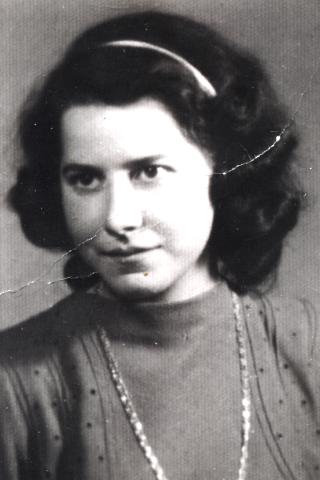
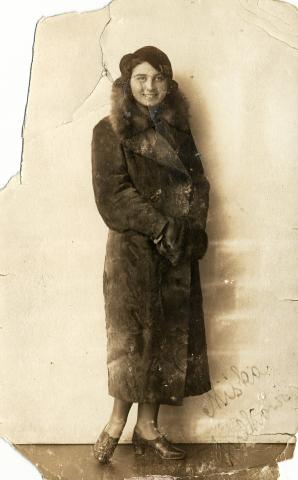
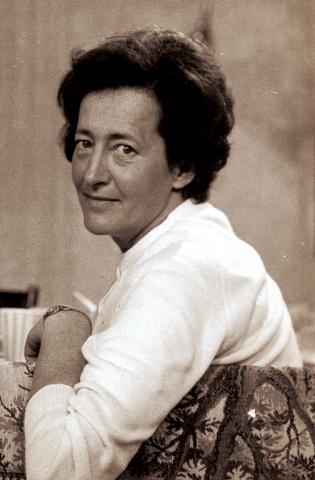
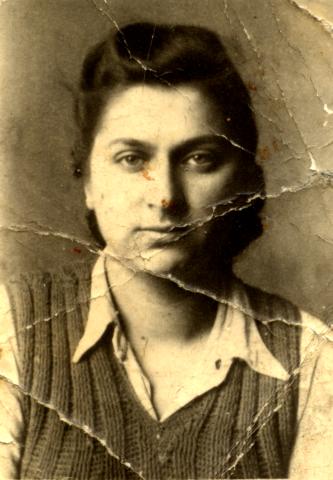
Fania Joheles (maiden name) was born in 1922. Fania had a sister Riva who was 5 years younger.
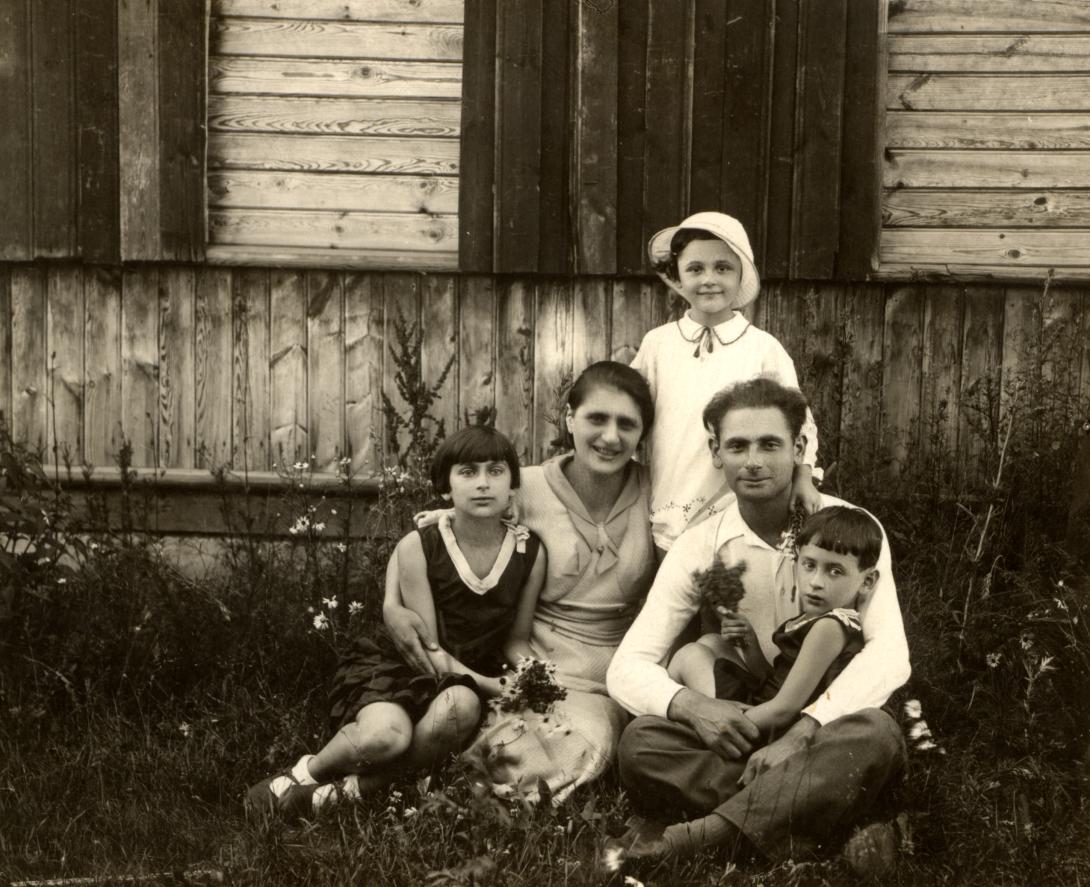
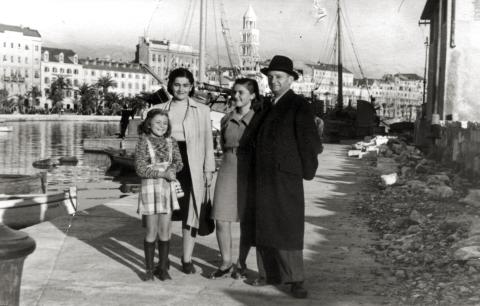
Fania Brantsovskaya and her family
Fania Joheles (maiden name) was born in 1922. Fania had a sister Riva who was 5 years younger. Fania’s parents were not rich: father Beniamin was working as an instructor of an electric mechanic laboratory of the polytechnic school of the organization of the workers' union. Fania’s father's salary wasn't enough to cover all family expenses and when my parents managed to get suitable lodging my father opened his own electrical technical shop. Mother Richelle was a housewife. The family rented a flat in Pylimas Street which was very close to Vilnius Old City and one of Vilnius synagogues. At home the family spoke in Yiddish, but Fania knew the Polish language very well. (Vilnius belonged to Poland from 1919 till 1939).
The family wasn’t religious. Fania remembered how she celebrated Jewish holidays at school. Fania studied in Sophia Gurvich Gymnasium and Fania’s father paid 50 percent of tuition fees as he was a member of the teachers' association. However, it happened sometimes that Fania wasn't allowed to come into the classroom when her father didn't pay these fees on time.
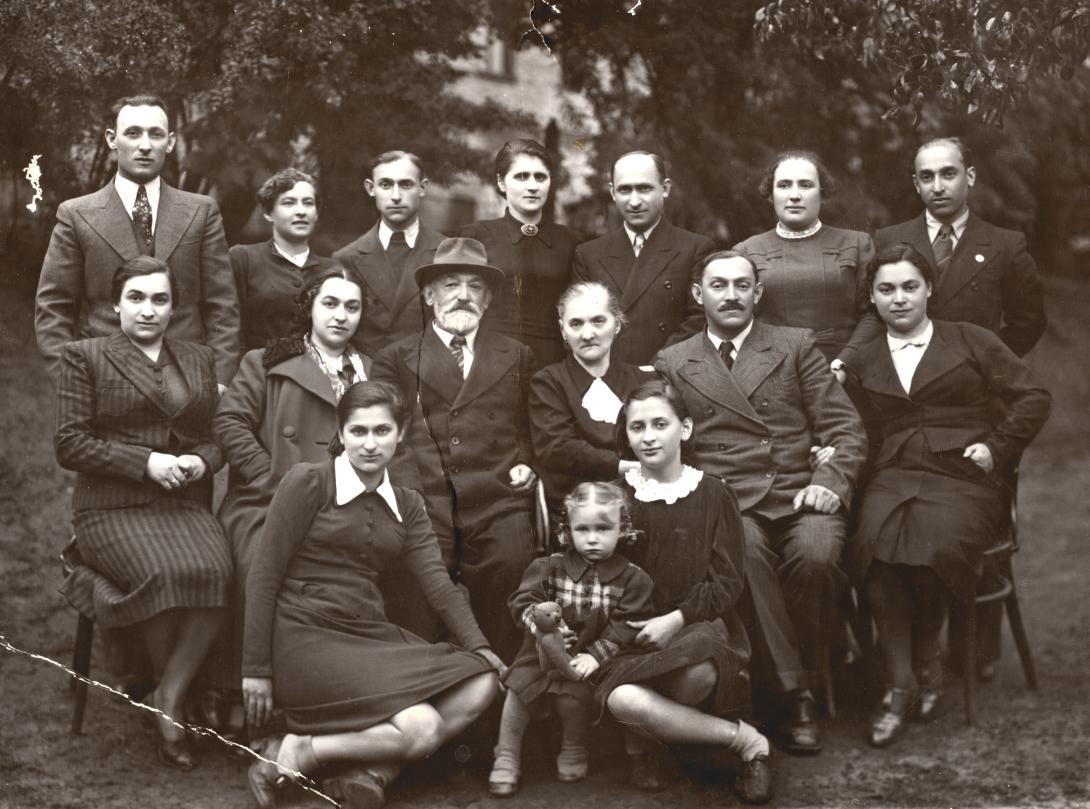
Fania Brantsovskaya and her family
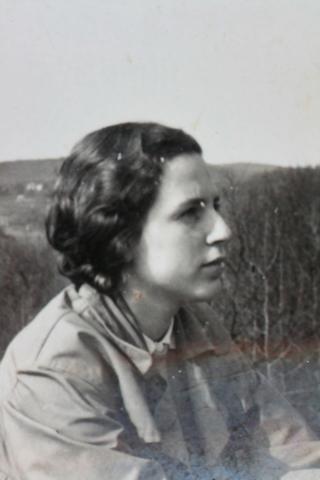
Fania belonged to the Zionist Jewish scout organization Bin. She spent much time together going on excursions and hiking tours in summer. She and her friends often went to the theater.
In autumn of 1939, Fania started to study in Grodno (Belarus). In spring of 1941 she came to Vilnius for vacation and planned to study in Vilnius University (at that time Lithuania was occupied by Soviets). The answer about possible studies in Vilnius University had to come in July. But on the 22nd of June Vilnius was bombed by Nazi planes. Fania and her father planned to escape to the Soviet Union but unsuccessfully.
Two ghettos were created in Vilnius on 6th September. Fania’s family was sent to the Ghetto. She worked very hard at different jobs because the biggest problem was to get meals for the family. Her father was a good specialist and he also tried to get some meals.
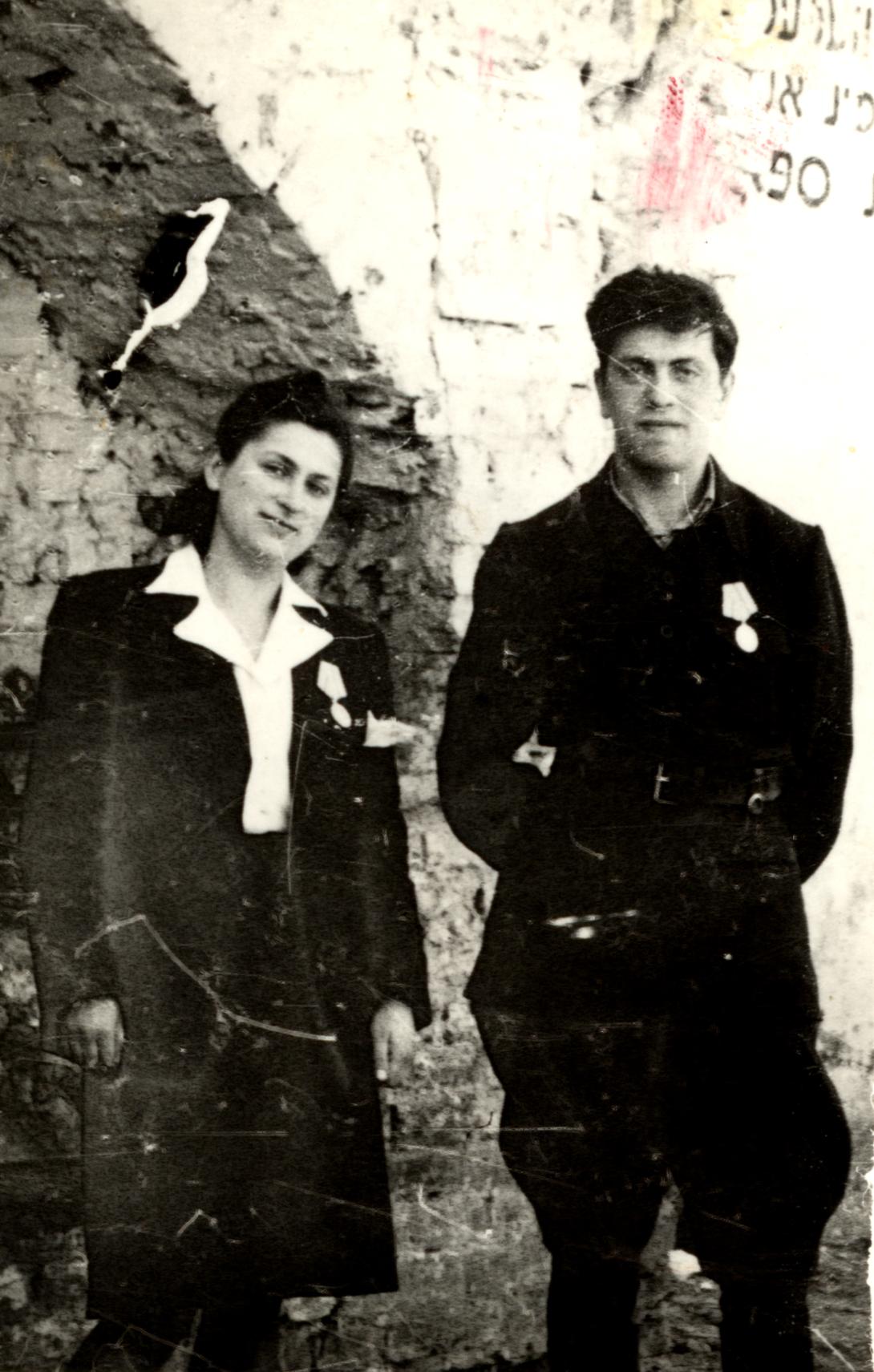
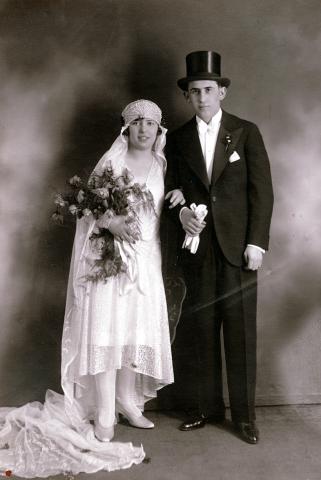
Fania Brantsovskaya and Mikhail Brantsovskiy
Fania participated in the underground organization of the Ghetto. On the 23rd of September, in the morning meeting of the underground organization, there was a proposal for Fania and Doba (the other young woman) to leave the Ghetto. Fania left the Ghetto together with Doba the same day as Vilnius Ghetto was liquidated. Fania and Doba reached Rudniki Forest and met with Soviet partisans, who gave the information that the Ghetto was liquidated. Fania’s mother and sister Riva were sent to Kaiserwald Concentration Camp and later placed on a ship that was sunk at sea. Father was sent to Estonia, to Klooga Concentration Camp and he was killed a few days after liberation.
Fania survived in the partisan unit “For Victory,” where she met Mikhail Brantsovskiy, who was a Jew from Vilnius, he studied in the Hebrew Gymnasium, who also left Vilnius Ghetto and lost his parents when Vilnius Ghetto was liquidated. Fania and Mikhail fell in love. After the war they got married. They didn't observe Jewish traditions, but they spoke Yiddish to one another. They had two daughters. Fania’s husband passed away in 1985.
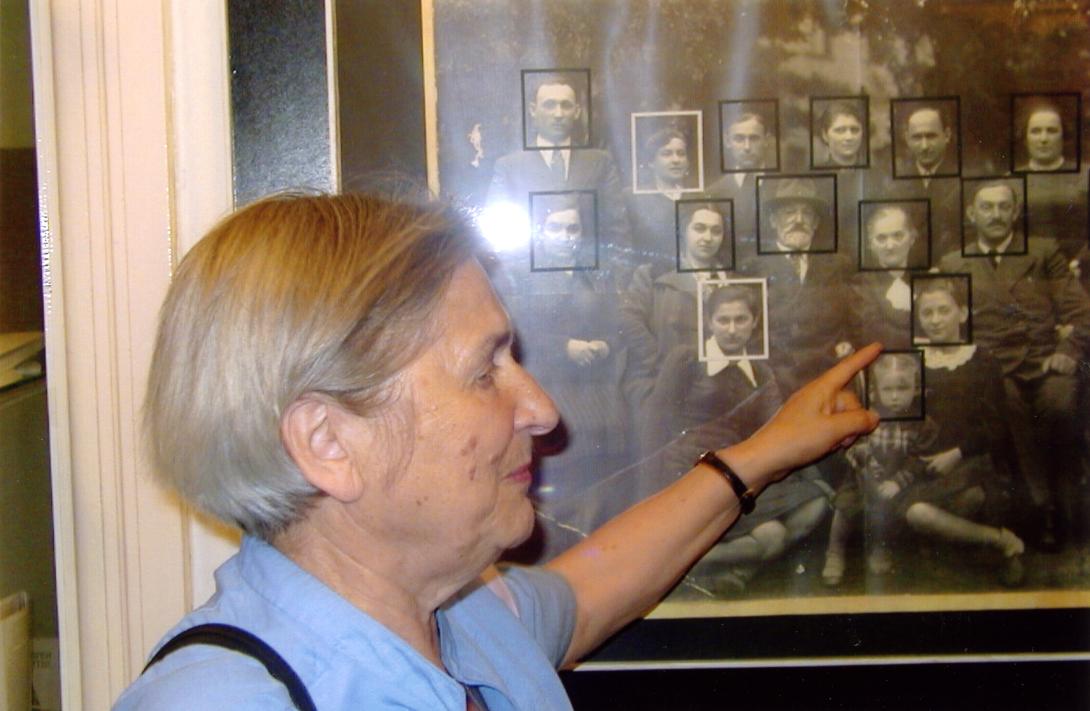
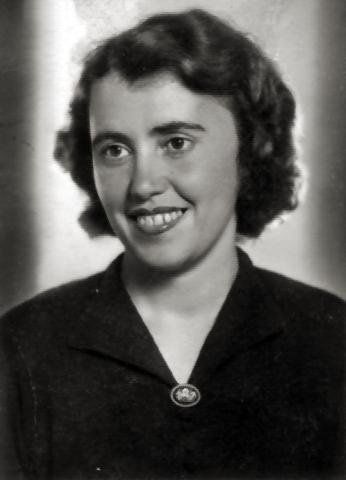
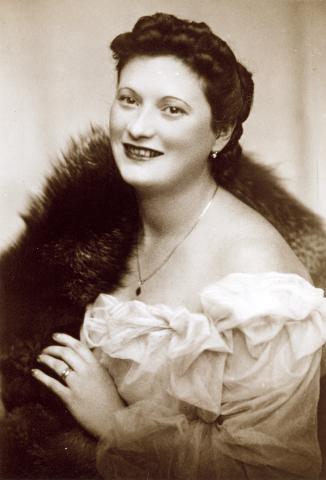
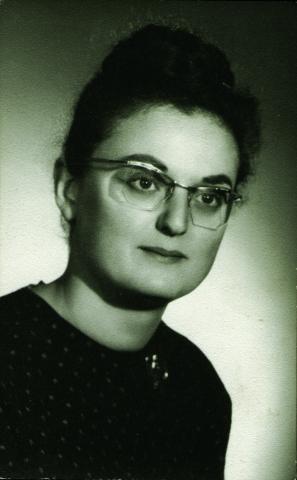
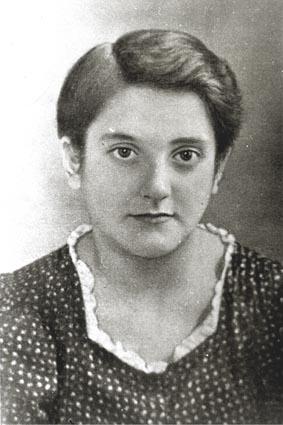
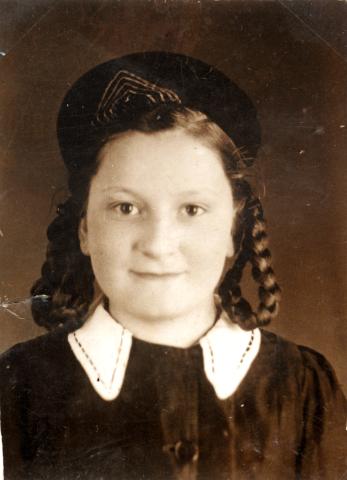
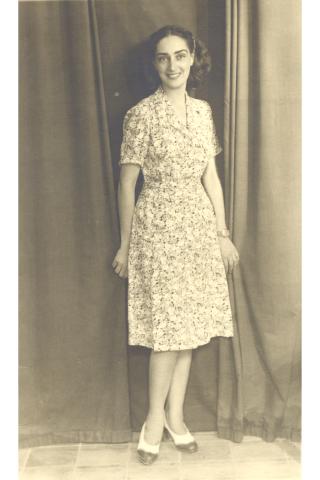
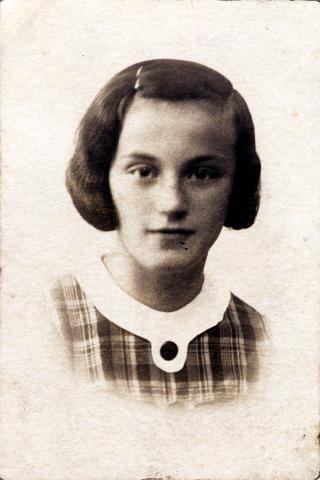
Fania Brantsovskaya
Fania knew that she had relatives in Israel because her mother’s parents went to Palestine from Lithuania before WWII. But it was the Soviet occupation and Fania couldn’t contact Israel and try to find them. In 1989 Fania’s maternal relatives found her and she started to visit Israel quite often. When Fania became a pensioner she started to work as a volunteer in Vilnius University, in the Yiddish Institute and also volunteered for the section of former ghetto inmates. She often attended meetings with students and teachers. Fania was a volunteer guide to tell about life in the Ghetto during teachers’ seminars and conferences.
As Fania repeated many times, her mission was to tell her story and to tell what happened to the Jews of Lithuania. But also she repeated many times that she was a very happy woman with a very loving husband and a great family.